
Tile Re-pointing & Re-Bedding
Re-securing loose, cracked or slipped ridge and verge tiles before they lead to bigger roof damage.
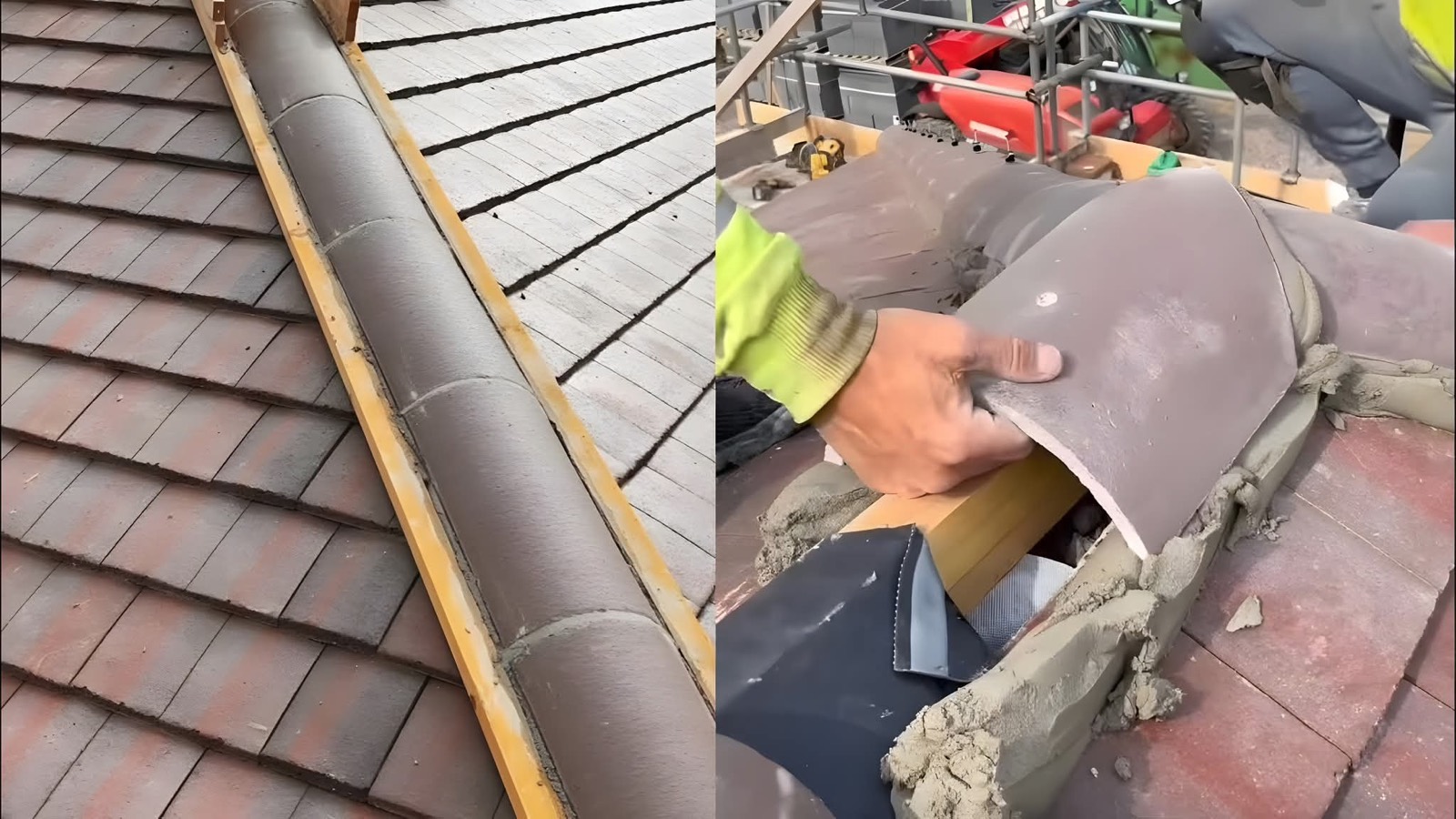
What Is Re-pointing & Re-Bedding?
Re-bedding is the process of removing a ridge or verge tile, cleaning off the old mortar, and re-setting it in a fresh bed of mortar so it sits securely again. Re-pointing is the finishing layer — smoothing and sealing the mortar joints between tiles so they shed water properly. The two are usually carried out together as part of the same repair.
Over time, the mortar that holds ridge and verge tiles in place dries out, cracks and loses its grip. Once that happens, tiles can shift, lift in high wind, or let water track in underneath. Re-pointing and re-bedding restores that fixing before it leads to a bigger problem.
Signs You May Need Re-pointing or Re-Bedding
- Crumbling or missing mortar along the ridge or verge
- A ridge or verge tile that looks loose or out of alignment
- Small pieces of mortar appearing in gutters or on the ground
- Tiles that have visibly shifted after a storm
Why Mortar Fails Over Time
Roof mortar is exposed to constant weathering — rain, frost, UV and temperature swings — and it doesn’t last indefinitely. Freeze-thaw cycles are a particularly common cause of cracking, as moisture trapped in small cracks expands when it freezes and widens them further. Poor-quality original bedding, or bedding that’s simply reached the end of its serviceable life, are the other main causes.
A Cost-Effective Way to Extend a Roof’s Life
Re-pointing and re-bedding is often a relatively contained repair compared to more extensive roofing work, and addressing failing mortar early can prevent tiles from slipping or coming loose entirely — which is a much bigger fix. If you can see crumbling mortar on your ridge or verges, it’s worth getting it looked at.
How We Approach the Work
We remove any loose or failed mortar, check the tiles themselves for cracks or damage, and re-bed and re-point using fresh mortar mixed and applied to sit properly with the roof’s existing tiles and profile. Where a tile is damaged beyond re-use, it’s replaced as part of the same job.
Re-pointing vs. Dry Verge / Dry-Fix Ridge
Re-pointing and re-bedding restores a traditional mortar-bedded ridge or verge. As an alternative, some roofs are better suited to a dry-fix ridge or dry verge system, which uses mechanical fittings instead of mortar. See our Dry Verge & Ridge Cappings page for more on that option.
Serving Kilkenny, Laois, Carlow, Waterford & South Tipperary
Frequently Asked Questions
What’s the difference between re-pointing and re-bedding?
Re-bedding resets a tile into fresh mortar so it’s held securely. Re-pointing finishes and seals the mortar joints between tiles. They’re usually done together.
How do I know if my roof needs this work?
Crumbling mortar, loose-looking ridge or verge tiles, or mortar debris in your gutters are the main signs.
Is re-pointing a permanent fix?
Good re-pointing and re-bedding should last for a good number of years, though like any mortar work it will eventually weather and may need attention again over the roof’s lifetime.
Should I re-point or switch to a dry verge/dry-fix system?
It depends on the roof and your preference. Re-pointing restores traditional mortar bedding; dry systems remove the mortar altogether. We can talk through which suits your roof.
You Might Also Need
Ready To Sort Your Roof?
Whether it’s an urgent repair or a planned roofing project, get in touch and we’ll help you take the next step.