
Dry Verge & Ridge Cappings
Modern dry verge systems and neatly finished ridge capping repair or installation across Kilkenny, Laois, Carlow, Waterford & South Tipperary.
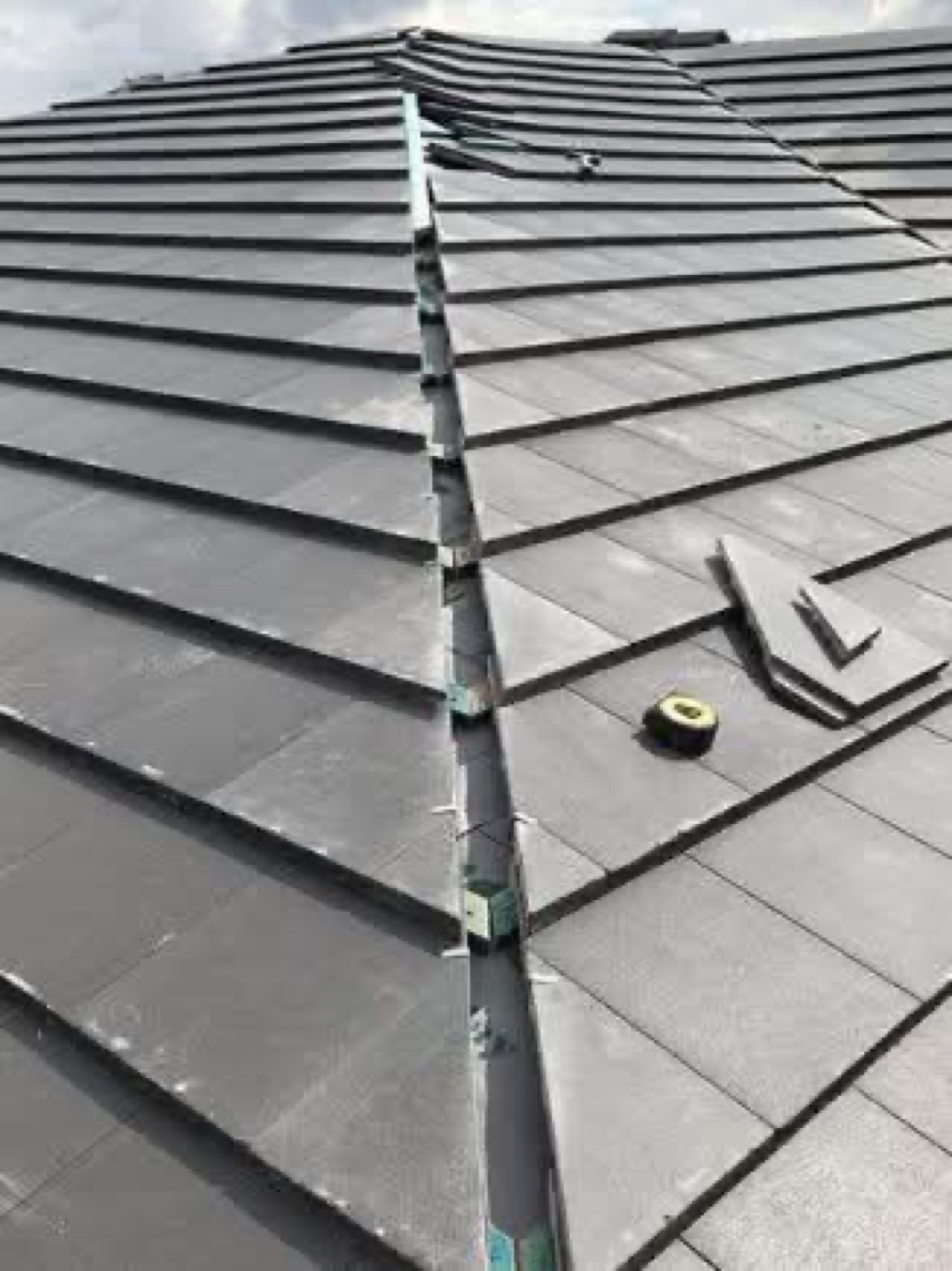
Dry Verge Systems
The verge is the edge of a pitched roof where it meets the gable wall. Traditionally, verge tiles were bedded in mortar — a method that can crack and fail over time, letting tiles move or water in. Dry verge systems use mechanical fittings instead of wet mortar, giving a cleaner, more consistent finish that’s less prone to the cracking and maintenance that wet-bedded verges need.
- Installation on new roofing and re-roofing projects
- Replacing failed or cracked mortar-bedded verges
- Compatible with most common tile profiles
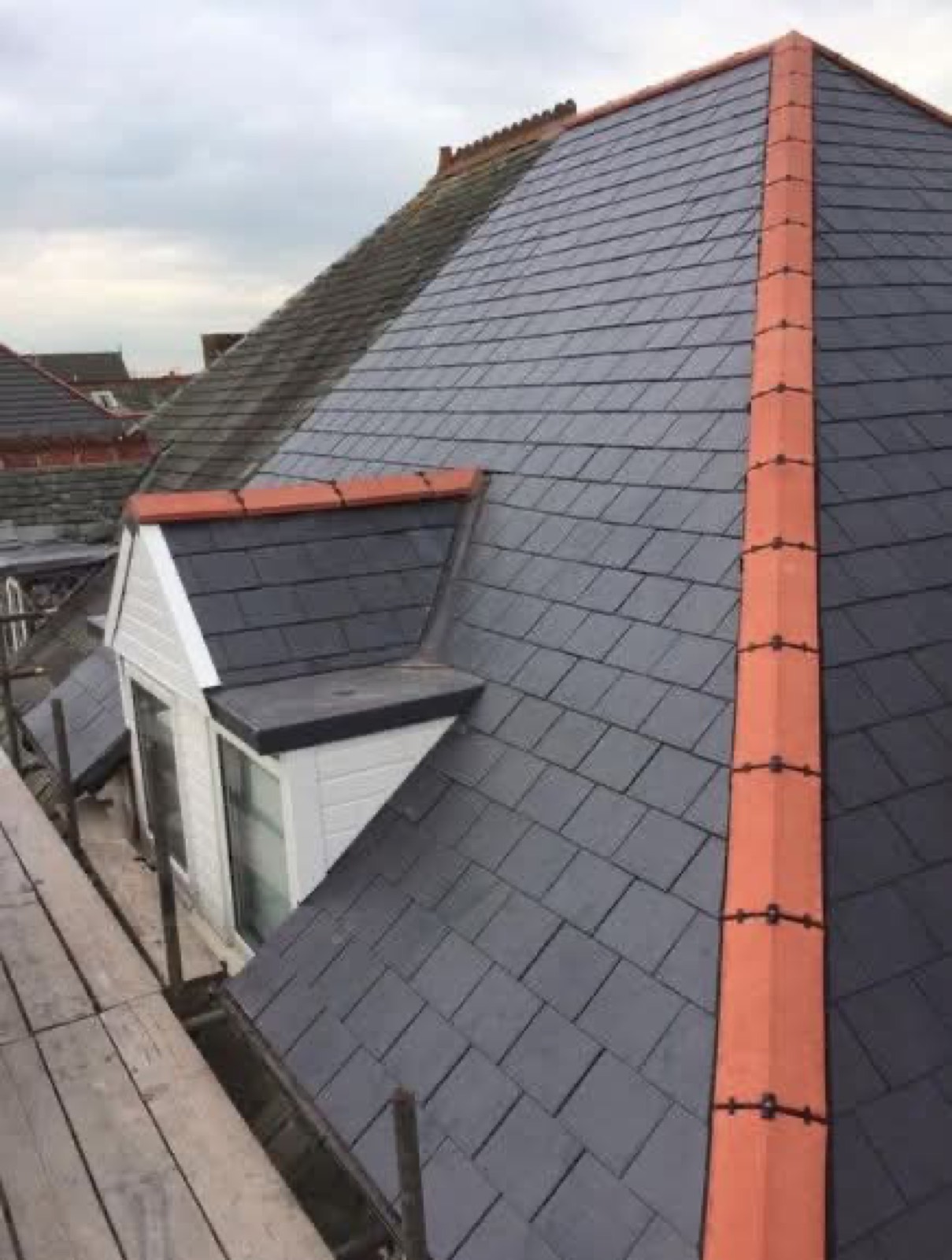
Ridge Cappings
Ridge tiles sit along the very top of the roof, covering the joint where two roof slopes meet, and they take more weather exposure than almost any other part of the roof. When ridge capping cracks or the mortar bedding it fails, it’s one of the more common sources of leaks and dislodged tiles. We repair and re-bed ridge capping, and install it as part of new roofing work.
- Re-bedding and re-pointing loose or cracked ridge tiles
- Replacing damaged ridge capping
- Ridge detailing on new roofs and re-roofs
- Dry-fix ridge systems as a mortar-free alternative
Signs of a Problem
- Visible cracks in ridge tiles or the mortar bedding them
- Mortar debris in gutters or on the ground near the base of the roof
- A verge tile that looks loose, lifted, or out of line
- Daylight or damp visible at the ridge line from inside the attic
Ridge and Verge Problems Rarely Stay Small
Because the ridge and verges sit at the highest and most exposed points of the roof, even small failures here can let a surprising amount of water in over time. If you can see cracked ridge tiles or crumbling mortar, it’s worth having it checked before the next storm.
How We Approach the Work
For ridge and verge repairs, we remove failed mortar or fittings, check the tiles themselves for damage, and re-bed or refit using appropriate materials — traditional mortar bedding or a dry-fix mechanical system, depending on the roof and your preference. For new installations, ridge and verge detailing is carried out as part of the wider tiling process.
Dry Verge vs. Traditional Mortar Bedding
Traditional wet-bedded verges rely on mortar, which can crack with age and weather exposure and typically needs more maintenance over time. Dry verge systems use interlocking plastic or GRP fittings clipped to the roof structure, giving a more consistent, lower-maintenance finish. Many re-roofing and repair projects now move to dry verge for this reason, though traditional bedding remains appropriate in some situations.
Serving Kilkenny, Laois, Carlow, Waterford & South Tipperary
Frequently Asked Questions
What is dry verge and why would I need it?
Dry verge is a mechanical fixing system for the roof edge that replaces traditional wet mortar bedding. It’s often used when re-roofing or when an older mortar-bedded verge has started to crack or fail.
Can dry verge be fitted to an existing roof, or only new roofs?
It can often be retrofitted to an existing roof, replacing a failed mortar-bedded verge, subject to the tile profile and roof design.
How do I know if my ridge capping needs attention?
Visible cracks in the tiles or mortar, debris in your gutters, or damp near the ridge line inside the attic are all signs worth having checked.
Do you repair ridge capping without redoing the whole roof?
Yes — ridge and verge repairs are usually carried out as standalone work unless there’s a wider issue with the roof.
You Might Also Need
Ready To Sort Your Roof?
Whether it’s an urgent repair or a planned roofing project, get in touch and we’ll help you take the next step.